
Tried Onda Lifting in Seoul on My Lunch Break — No Pain, Back to Work Same Day (Honest Review)
I Finally Tried Onda Lifting in Seoul — No Pain, No Downtime, and I Went Back to Work the Same Day
I’ve been staring at my jawline in the mirror for months. Front-facing photos? Fine. Side angle, or anything taken from below? Absolute chaos. My cheeks were sliding south, my jawline was disappearing, and no amount of dieting was touching my double chin.
So I did what any person with a lunch break and a Gangnam office does — I booked a consultation.
After researching clinics around Sinsa and Jamwon, I ended up getting Onda Lifting done at a clinic near Sinsa Station. Here’s my honest review.
What Is Onda Lifting?
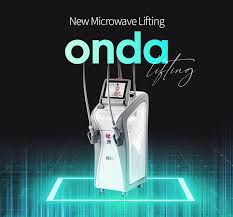
Before the procedure, the doctor gave me a quick explanation of how it works. I’d heard Onda was good for double chins, but I had no idea about the actual mechanism.
The simplest way to understand it: think of a microwave. Onda uses microwave energy (not radiofrequency, not ultrasound) to penetrate deep into the subcutaneous fat layer, heating and breaking down fat cells while simultaneously stimulating collagen production.
Here’s how it compares to the other big names:
Thermage uses radiofrequency (RF) to heat the dermis layer. Ulthera uses ultrasound (HIFU) to target the SMAS layer. Onda uses microwave technology to reach the subcutaneous fat layer — deeper than Thermage, different target than Ulthera.
The doctor explained that Onda is particularly effective when you have both fat and sagging happening at the same time — which is exactly my situation. Cheek descent plus a double chin that refuses to leave.
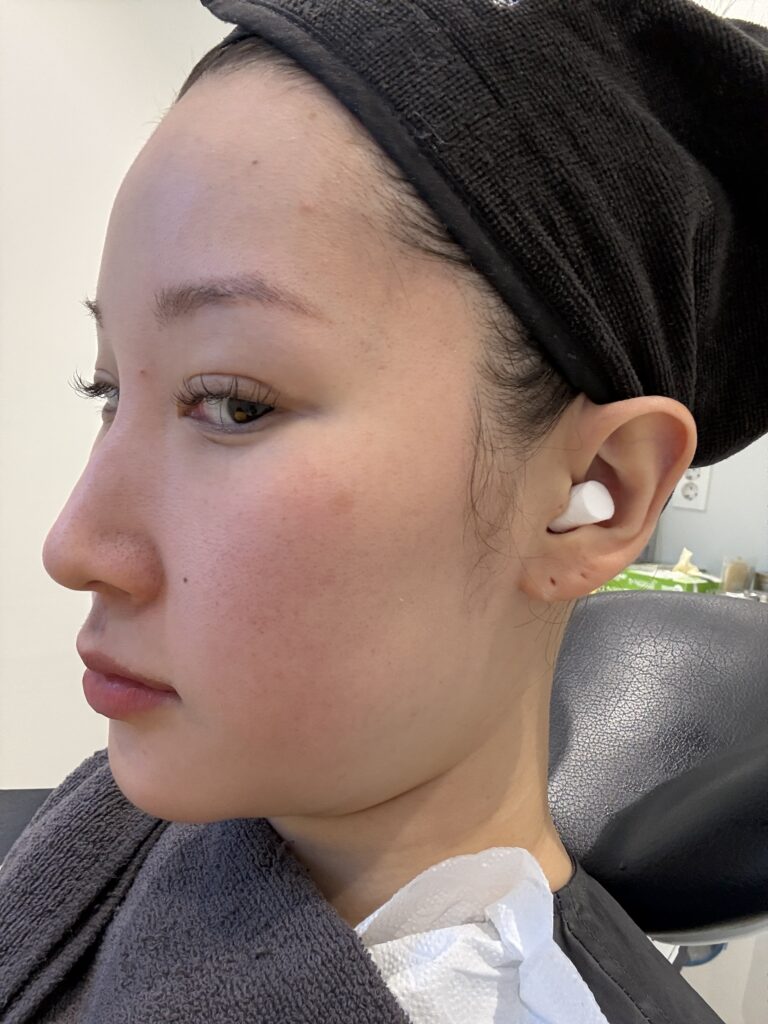
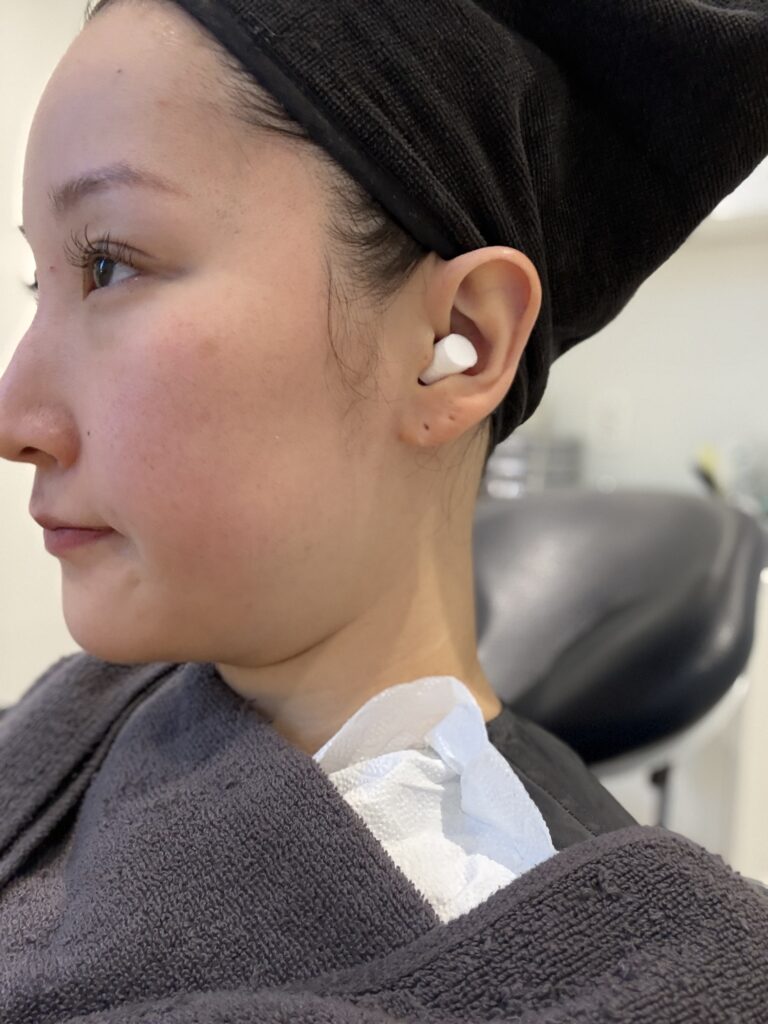
Before: The Pelican Era
I’ll be honest. My double chin was at pelican levels. Even with my chin tilted up, it was still there. Side profiles were a nightmare. I’d stopped looking at photos taken from below entirely.
I’d tried Ulthera before and found it genuinely painful — that deep bone-hitting sensation that made me swear I’d never do it again. Onda was recommended to me specifically because of the pain difference.
Pain Level: 0.5 out of 10
I was skeptical. But they were right.
Ulthera hits like something is striking your bone from the inside. Onda felt like a warm smooth stone being pressed gently across my face. Actually, “cool” is a better word — the device has a built-in cooling mechanism, so the sensation alternated between warm and cool as it moved.
At one point the doctor warned me it might feel a little hot. I was genuinely confused because it felt refreshing.
Pain score: 0.5 out of 10. The full face treatment took about 30 to 40 minutes.
Swelling: Almost None
This surprised me most. I had the procedure done during my lunch break and went straight back to the office.
Most lifting treatments leave you puffy for days. With Onda, I walked out looking slightly flushed — that’s it. There was a warm, slightly heated sensation in the treated area for about 2 to 3 hours, which a cooling sheet mask at home took care of completely.
Immediate Results
Before
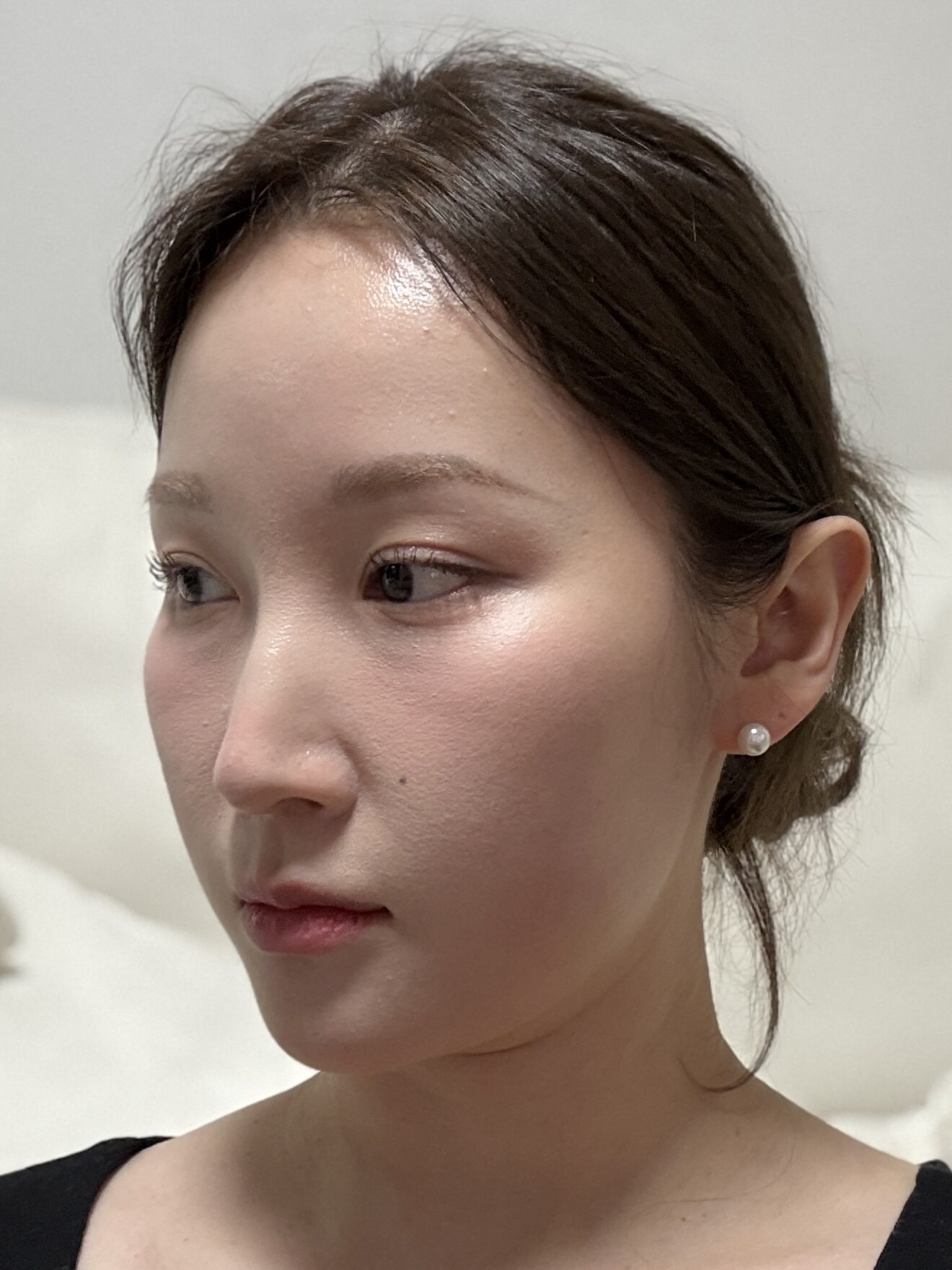
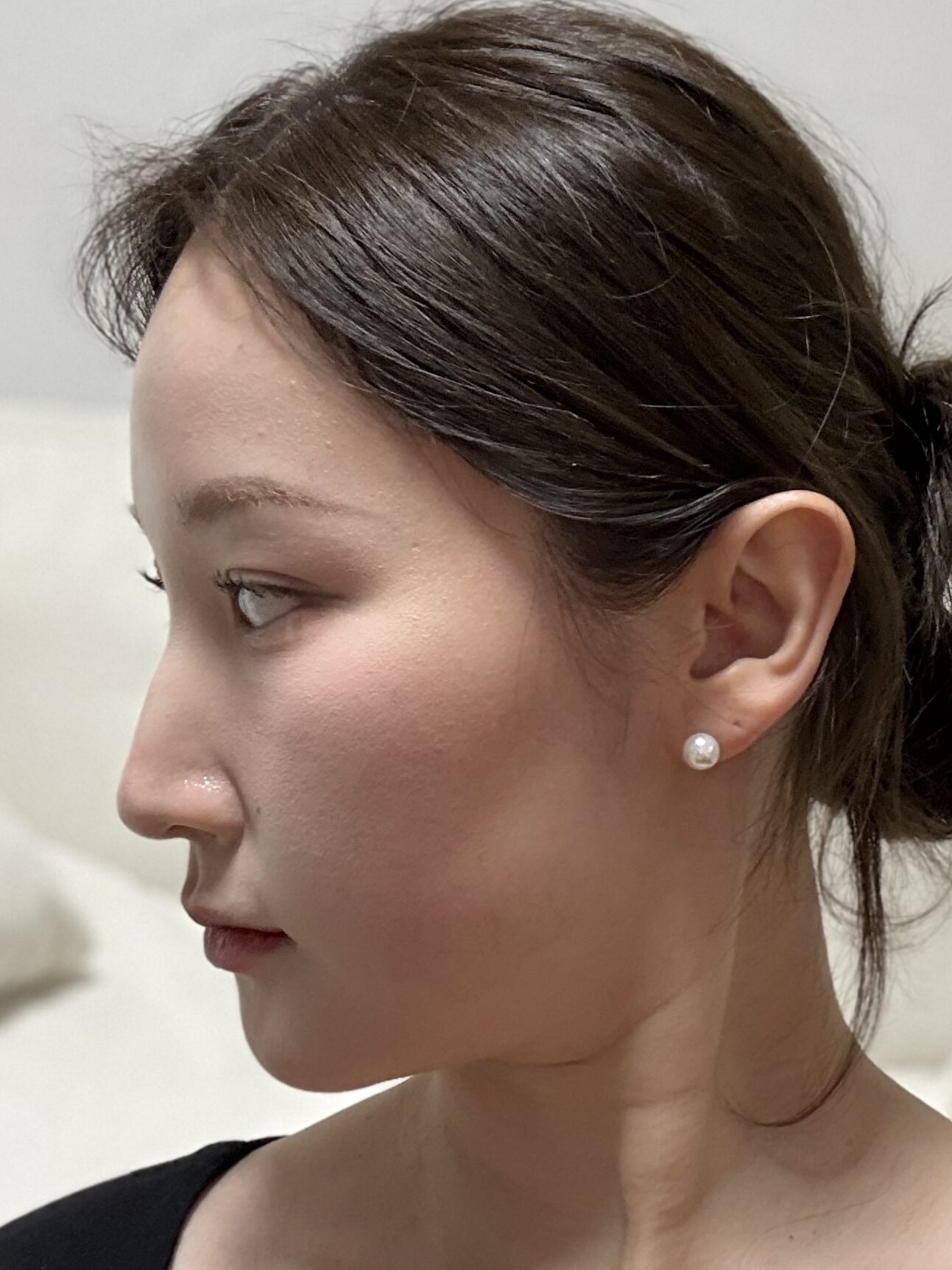
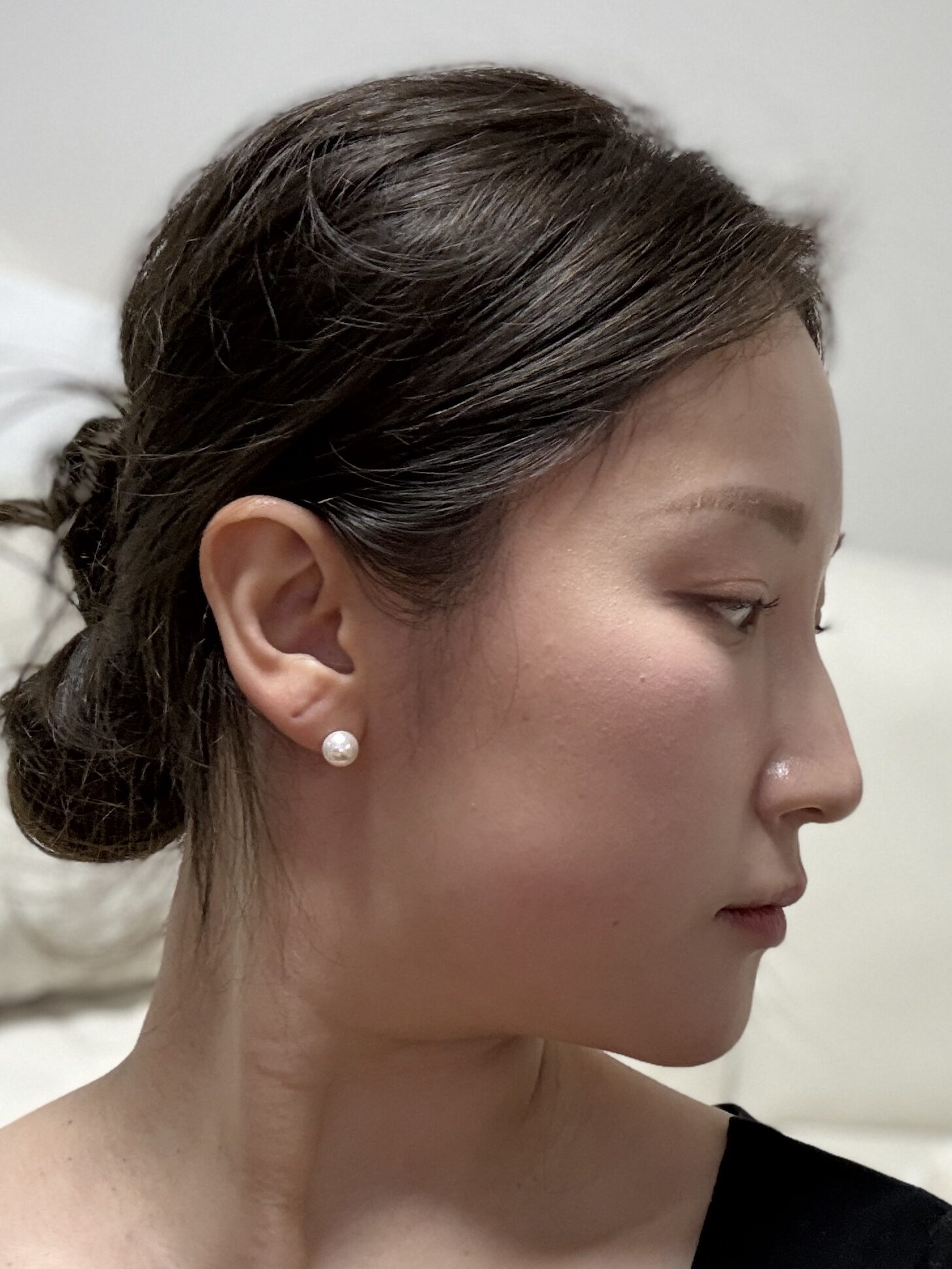
I wasn’t expecting to see anything right away. But looking in the mirror after the procedure, I could already see a subtle difference in my jawline definition. The doctor mentioned this is partly a temporary post-treatment effect — the real collagen remodeling results peak at 2 to 3 months.
Before: The Pelican Era
Immediate Results
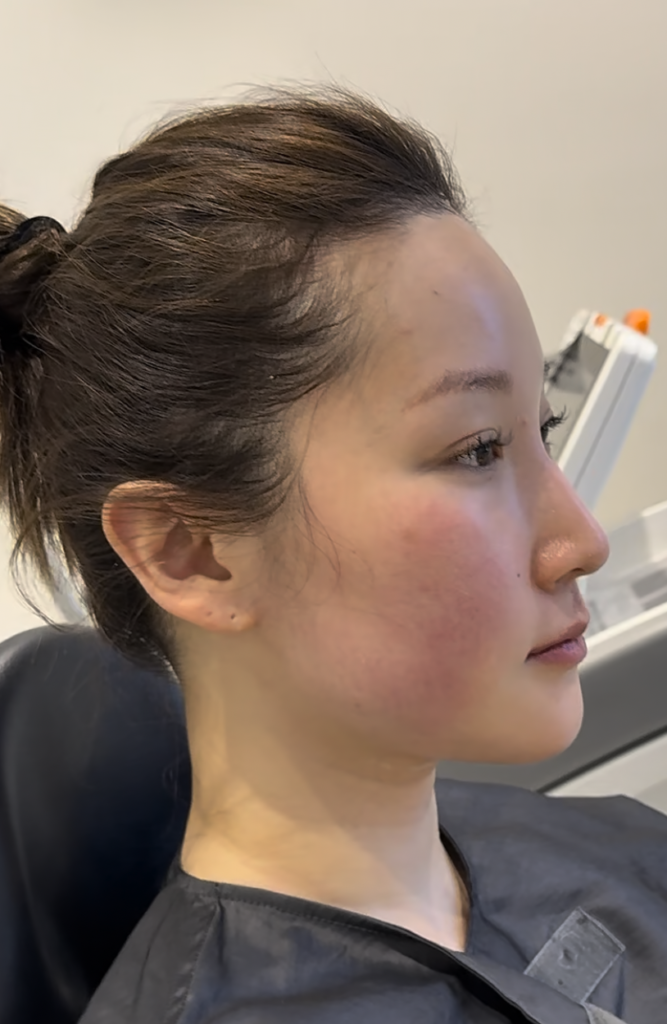
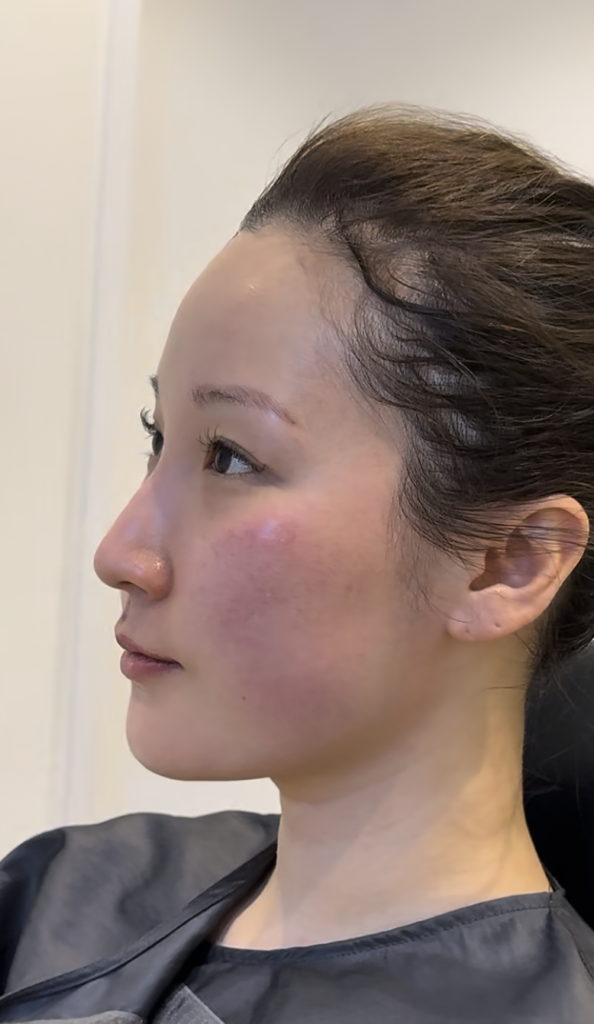
Still. The immediate change was noticeable enough that I was taking mirror selfies on the way home.
One Week Later
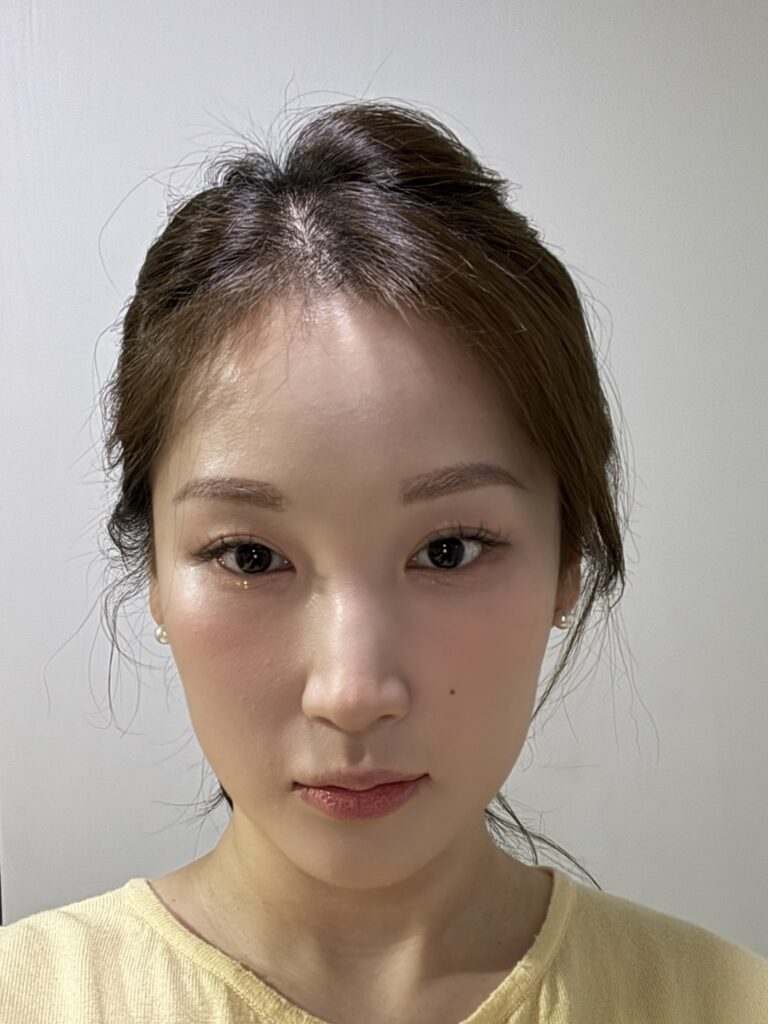
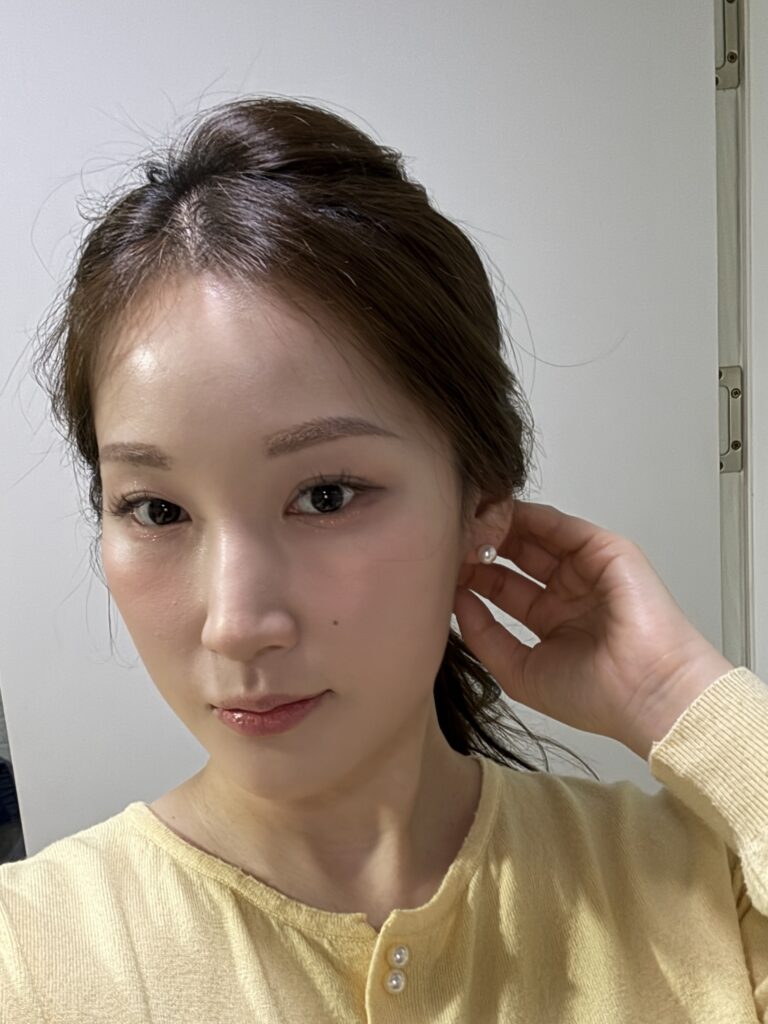
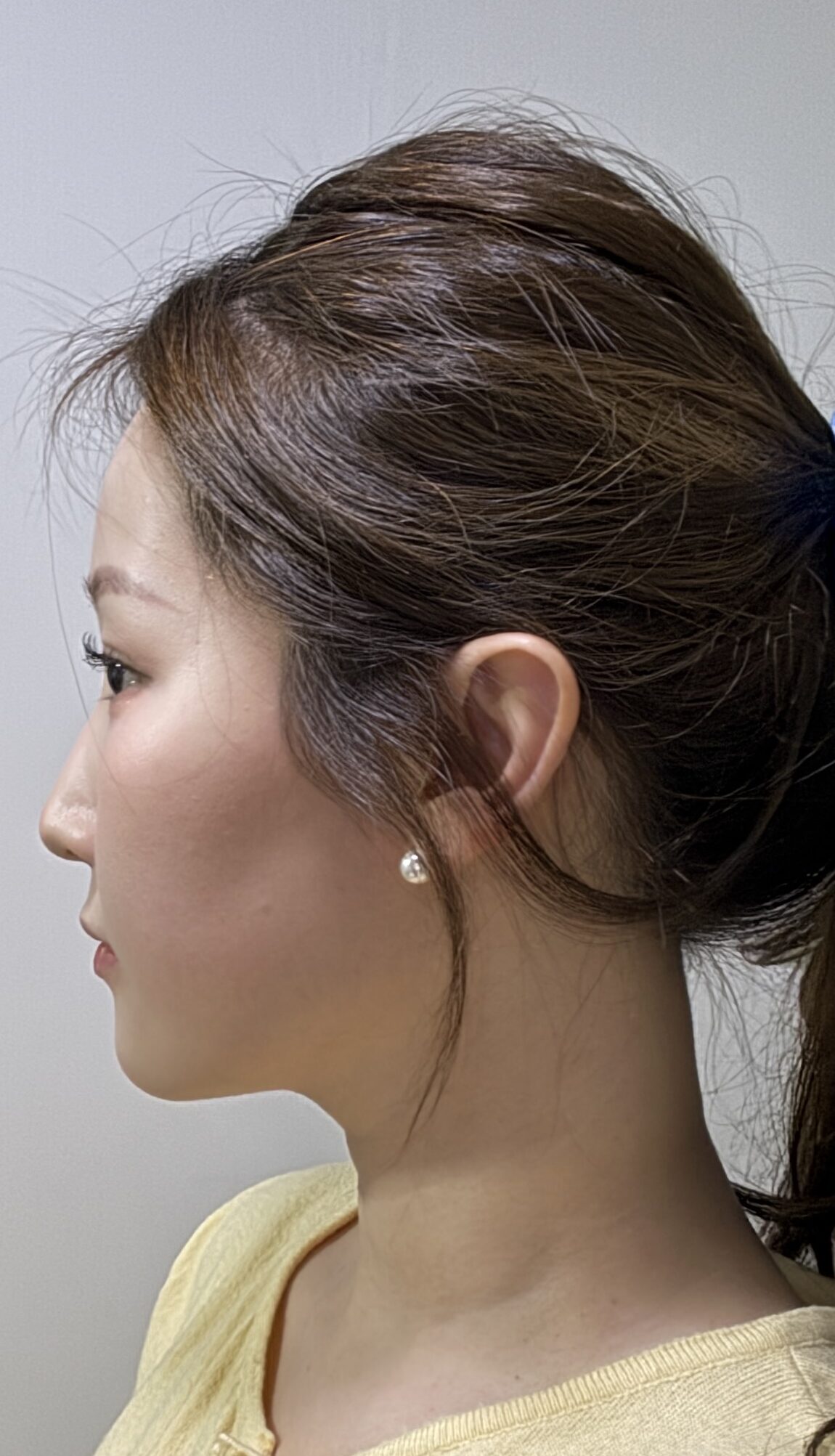
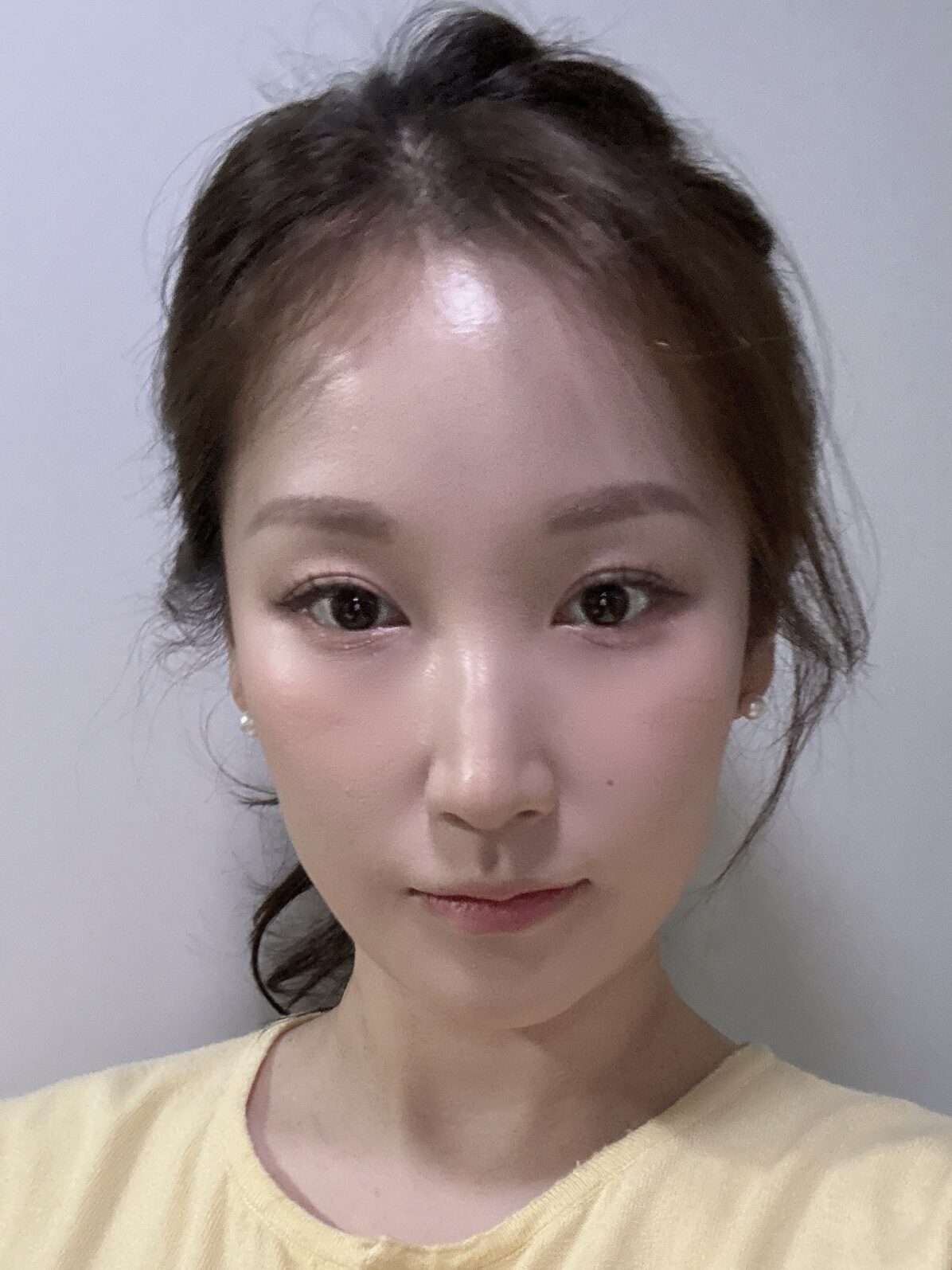
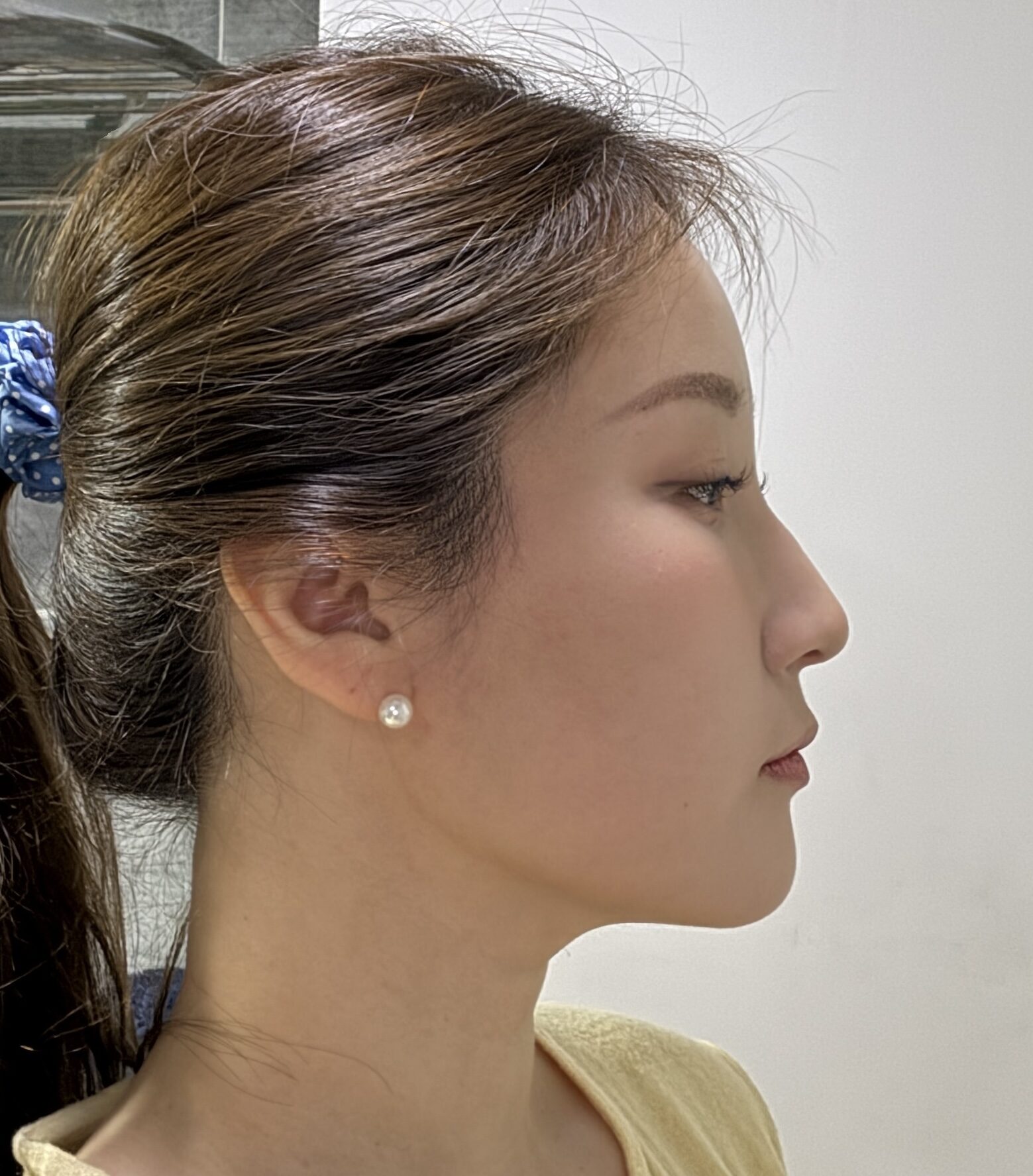
This is where it gets interesting.
One week out: the cheek sagging had visibly reduced, and my double chin was noticeably less prominent. My jawline looked more defined in photos.
I take the subway to work every day, and I have a habit of catching my silhouette in the dark window reflection. For the longest time, that reflection was the enemy. One week after Onda, even that silhouette looked different. Less heaviness below the jaw. More definition overall.
A Note for Foreign Patients
I work at a global multinational company, so my English standard is reasonably high. When I walked into this clinic, the receptionist’s English stopped me in my tracks. Not “good for Korea” English. Actually native-level fluency.
The waiting room had a significant number of foreign patients. If you’re visiting Seoul for aesthetic treatments and worried about communication barriers, this particular clinic in the Sinsa area clearly caters to an international clientele. The consultation, procedure explanation, and aftercare instructions were all handled smoothly without any language friction.
Aftercare Tips
SPF 50+ sunscreen every single day. No sauna or jjimjilbang for 3 days. No strong peels or lasers for 2 weeks. Stay hydrated — collagen synthesis needs water. Increase protein intake (chicken, eggs, tofu). Prioritize sleep — collagen regeneration is most active while you sleep.
Who Is Onda Lifting Good For?
You’re dealing with cheek sagging and a double chin simultaneously. You tried Ulthera and found the pain unbearable. You need zero downtime — seriously, lunch break viable. You want gradual, natural-looking results. You’re in your 30s or 40s and want to start proactive collagen maintenance.
Who Should Consider Something Else?
Severe sagging that realistically needs thread lifting or surgery. No fat involvement — pure skin laxity cases may respond better to Ulthera. Expectations of dramatic, immediate transformation.
Final Verdict
Onda Lifting is the treatment I wish I’d found before Ulthera. Low pain, no downtime, immediate subtle results with the real effect building over months. I went back to work the same day. Nobody noticed I’d had anything done.
For foreign visitors to Seoul specifically — if you’re already planning a trip and want to add a non-invasive lifting treatment with zero recovery time, this is worth serious consideration. The clinic I visited near Sinsa Station had native English-speaking staff and clearly had experience handling international patients.
I’ll post updated photos at the 2 and 3 month marks.
